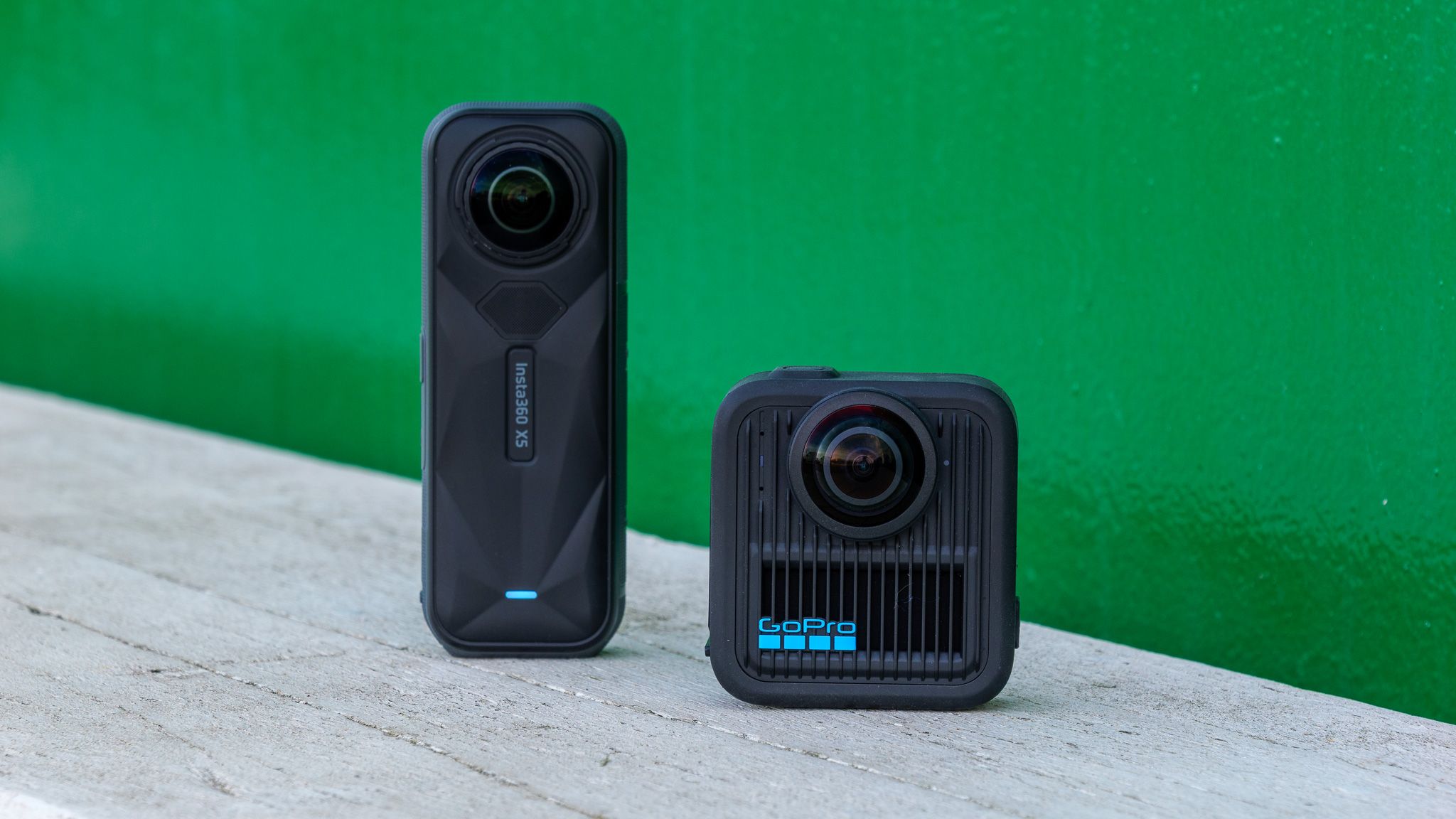
Budget 360 VR Cameras for Immersive Live Streaming
The world of content creation is constantly evolving, pushing the boundaries of how we experience and share moments. One of the most exciting frontiers is 360-degree video, particularly when combined with virtual reality (VR) and live streaming. Imagine giving your audience a front-row seat to your adventures, allowing them to look in any direction and truly feel present. This immersive experience, once reserved for professional setups, is now surprisingly accessible thanks to a new generation of affordable equipment. If you're looking to dive into this captivating realm without breaking the bank, a 360 degree camera for VR streaming is your essential starting point. This guide will explore how budget-friendly cameras are making immersive live content a reality for everyone.
Why Embrace 360 VR Live Streaming? The Power of Presence
In a world saturated with traditional flat video, 360-degree content offers an unparalleled level of engagement. Instead of being a passive observer, your audience becomes an active participant, able to navigate the scene you're broadcasting. This "power of presence" transforms how stories are told and experiences are shared. For content creators, businesses, and individuals alike, the benefits are immense:
- Unmatched Immersion: Viewers are no longer limited to a fixed frame. Whether it's a bustling concert, a scenic landscape, a property tour, or a personal vlog, they can explore every detail as if they were there. This is especially true when watched through a VR headset, amplifying the sense of being transported.
- Boosted Engagement: Interactive content naturally captures and holds attention longer. The novelty and freedom of controlling their viewpoint encourage viewers to spend more time with your stream.
- Versatile Applications:
- Events & Concerts: Offer exclusive, immersive views.
- Travel & Tourism: Showcase destinations in a way that static photos or traditional video cannot.
- Real Estate & Property Showings: Allow potential buyers to virtually walk through a home.
- Educational Content: Bring historical sites or scientific experiments to life.
- Personal Milestones: Share weddings, parties, or family gatherings with loved ones who can't be there, letting them feel truly present.
- Social Media Ready: Major platforms like YouTube and Facebook have fully embraced 360-degree content, with YouTube even supporting 4K live streaming for spherical videos. This widespread support means your immersive content can reach a global audience with ease.
The beauty is that you don't need a multi-camera rig costing thousands of dollars to get started. The market is burgeoning with consumer-friendly, affordable options that deliver impressive results, making a 360 degree camera for VR streaming an attainable tool for any aspiring immersive storyteller.
Essential Features for a Budget 360 VR Streaming Camera
When selecting your ideal budget 360 VR streaming camera, it's crucial to look beyond just the price tag. Several key features dictate the quality of your immersive experience and the practicality of your live stream. Here’s what to prioritize:
Resolution and Frame Rate: The Pillars of Visual Quality
For immersive content, higher resolution is almost always better, especially when viewers are zooming in or using VR headsets. While professional setups boast 8K or even 12K, budget cameras offer a great starting point:
- Video Resolution: Look for at least 1920x960 at 30fps (often referred to as 2K 360) as a minimum for decent quality. Cameras like the Nano 360-degree camera, for instance, offer this resolution, which is perfectly adequate for sharing on social media. However, if your budget allows, aim for near-4K resolutions, such as 3840x1920, as seen in models like the Samsung Gear 360. This significantly enhances the clarity and reduces pixelation, making the VR experience much more convincing.
- Photo Resolution: While the focus is on live streaming, a good photo resolution (e.g., 16MP, 30MP) means your camera can double as an excellent tool for static 360 images.
- Frame Rate: A consistent 30 frames per second (fps) is the standard for smooth video. Higher frame rates (e.g., 60fps) are usually reserved for more expensive models but offer even smoother motion, which can be beneficial in fast-paced scenarios.
Lens Configuration and Field of View
Most 360-degree cameras achieve their spherical view using dual fisheye lenses. These lenses capture ultra-wide angles, typically 220° or more, on opposite sides of the device. The camera's software then stitches these images together in real-time or post-production to create a seamless 360° panoramic or spherical video. Some cameras, like the Gear 360, even allow you to use just one lens for a 180-degree shot, offering versatility.
Connectivity and App Integration: Your Remote Control Center
A camera's connectivity is paramount for live streaming and ease of use:
- Wi-Fi Hotspot: Essential for connecting your camera to your smartphone. This connection transforms your phone into a powerful control center.
- Companion App: A robust mobile application (e.g., Wellcam720 for Nano cameras) is vital. It should allow you to:
- Preview: See what your camera sees in real-time.
- Change Modes & Settings: Adjust resolution, exposure, white balance, etc.
- Real-time Sharing: Directly stream to platforms like Facebook and YouTube with just a few taps. Look for multi-language support for broader usability.
Battery Life and Storage
Live streaming can be power-intensive. A built-in rechargeable lithium battery is standard (e.g., 1200mAh for about 90 minutes of recording at 1920x960 30fps). For longer streams, consider cameras that support external power banks or can charge while streaming. For storage, a MicroSD card slot supporting Class 10 cards up to 64GB (or more) is essential for recording your streams for later editing or offline viewing.
Portability and Durability
Budget 360 cameras are designed for everyday consumers, meaning they're often compact enough to fit in your pocket or bag. Look for small designs that are easy to handle, and if you plan on outdoor adventures, consider models with dust and water resistance, like the Samsung Gear 360, which adds an extra layer of peace of mind. Many also come with miniature tripod attachments for stable placement.
Top Contenders in the Affordable 360 VR Camera Market
The market for budget-friendly 360 degree camera for VR streaming is constantly expanding, offering more choices for consumers looking to capture their world immersively. While new models emerge frequently, certain cameras have set benchmarks for what's possible on a budget. These devices won't break your bank but will empower you to create engaging 360-degree photos and videos ready for popular social networks and VR platforms.
The Nano 360 Degree Camera: An Entry Point to Immersive Streaming
Representing a solid entry-level option, the Nano 360 Degree Camera exemplifies how far budget technology has come. It typically features:
- Dual 8.0MP CMOS Sensors (OV4689) with Dual 7G Fish-eye Lenses: This configuration captures a full 220° x 360° ultra-wide angle view.
- Resolution for Streaming: It streams and records at 1920x960 30fps, providing a clear enough image for engaging social media live streams and basic VR viewing. While not 4K, it's a good starting point for those just experimenting with the format.
- Smartphone Integration: Equipped with WiFi, it connects seamlessly to the Wellcam720 APP (supporting iOS and Android). This app allows for essential functions like changing modes, adjusting settings, previewing your shot, and, critically, real-time sharing to Facebook and YouTube.
- Battery Life: Its built-in 1200mAh rechargeable lithium battery offers approximately 90 minutes of power life at its highest streaming resolution, making it suitable for shorter live events or quick bursts of immersive content.
The Nano 360 is ideal for users who want to explore Top Consumer 360-Degree Cameras for Social VR Sharing without a significant financial commitment, offering a straightforward path to creating interactive content.
The Samsung Gear 360: A Step Up in Budget Performance
The Samsung Gear 360, particularly its earlier iterations, remains a popular choice for those seeking a balance between affordability and enhanced performance. It stands out for several reasons:
- Superior Resolution: The Gear 360 can shoot impressive 30-megapixel 360-degree photos and, more importantly for live streaming, 3840 x 1920 video. This near-4K resolution significantly improves the visual quality for VR viewing, offering a much sharper and more detailed immersive experience compared to lower-resolution counterparts.
- Dual Fisheye Lenses: Like many 360 cameras, it uses two fisheye lenses, but also offers the flexibility to use just one for a 180-degree shot, which can be useful for specific content needs.
- Robust Design: It's known for its user-friendly interface, compact design, and often includes dust and water resistance, making it a reliable companion for various environments.
- Included Accessories: Often comes with a miniature tripod attachment, making it easy to set up for stable shots right out of the box.
While originally designed with Samsung Galaxy users in mind, its features make it a strong contender for anyone seeking an Unlock Your World: Best Affordable 360 Cameras for VR Streaming that delivers higher quality immersive streams.
Maximizing Your Budget 360 VR Live Streaming Experience
Acquiring a budget 360 degree camera for VR streaming is just the first step. To truly shine and deliver compelling immersive content, consider these practical tips and insights:
- Prioritize Lighting: Good lighting is paramount for any camera, and even more so for budget models. While 360 cameras capture everything, a well-lit environment significantly improves image quality, reduces noise, and makes your stream clearer and more vibrant. Avoid harsh backlighting where possible.
- Ensure a Stable Connection: For live streaming, a strong and stable Wi-Fi or mobile data connection is critical. Drops in bandwidth can lead to choppy video, buffering, or even stream disconnection, disrupting the immersive experience for your audience. Test your connection beforehand!
- Mind Your Audio Quality: Often overlooked, audio is half the experience. While built-in microphones are convenient, they can pick up a lot of ambient noise. For a more professional touch, consider an external lavalier or shotgun microphone if your camera supports one, positioning it discreetly to enhance vocal clarity or specific sounds.
- Strategic Camera Placement: Since a 360 camera captures everything, think carefully about its placement. What's the focal point? What story are you trying to tell? Placing the camera in the center of the action often yields the best results, allowing viewers to orient themselves naturally. Remember that *you* will also be in the shot, so consider your own presence.
- Power Management is Key: Live streaming drains batteries quickly. Always start with a fully charged battery. For longer streams, invest in a portable power bank and ensure your camera can operate while charging. Some cameras can connect to a power source directly via Micro USB.
- Engage with Your Audience: Even with immersive content, interaction is vital. Monitor comments and questions on your streaming platform and respond to them verbally during your live broadcast. This makes the experience more personal and dynamic.
- Experiment and Innovate: Don't be afraid to try different locations, angles, and types of content. The beauty of 360 VR streaming is the freedom it offers. From virtual tours to cooking shows or simply sharing a day in your life, creative possibilities are endless. Analyze what works best for your audience and refine your approach.
- Software and Firmware Updates: Keep your camera's firmware and its companion app updated. Manufacturers often release updates that improve performance, add new features, or fix bugs, enhancing your overall streaming experience.
The journey into 360 VR live streaming is an exciting one, full of potential for innovative content creation. By focusing on these practical aspects, you can elevate your streams from good to genuinely captivating.
Conclusion
The landscape of content creation has been irrevocably changed by the rise of immersive technologies. A budget 360 degree camera for VR streaming is no longer a futuristic gadget but a tangible tool that empowers creators of all levels to share their world in an unprecedented way. With accessible options offering features like decent resolution, real-time social media integration, and user-friendly apps, the barrier to entry for producing captivating 360 VR live streams has never been lower. Whether you're promoting a business, documenting personal milestones, or simply exploring a new creative outlet, embracing these affordable cameras will unlock a dynamic, engaging, and truly immersive experience for your audience. Dive in, experiment, and start broadcasting your world in 360 degrees today!